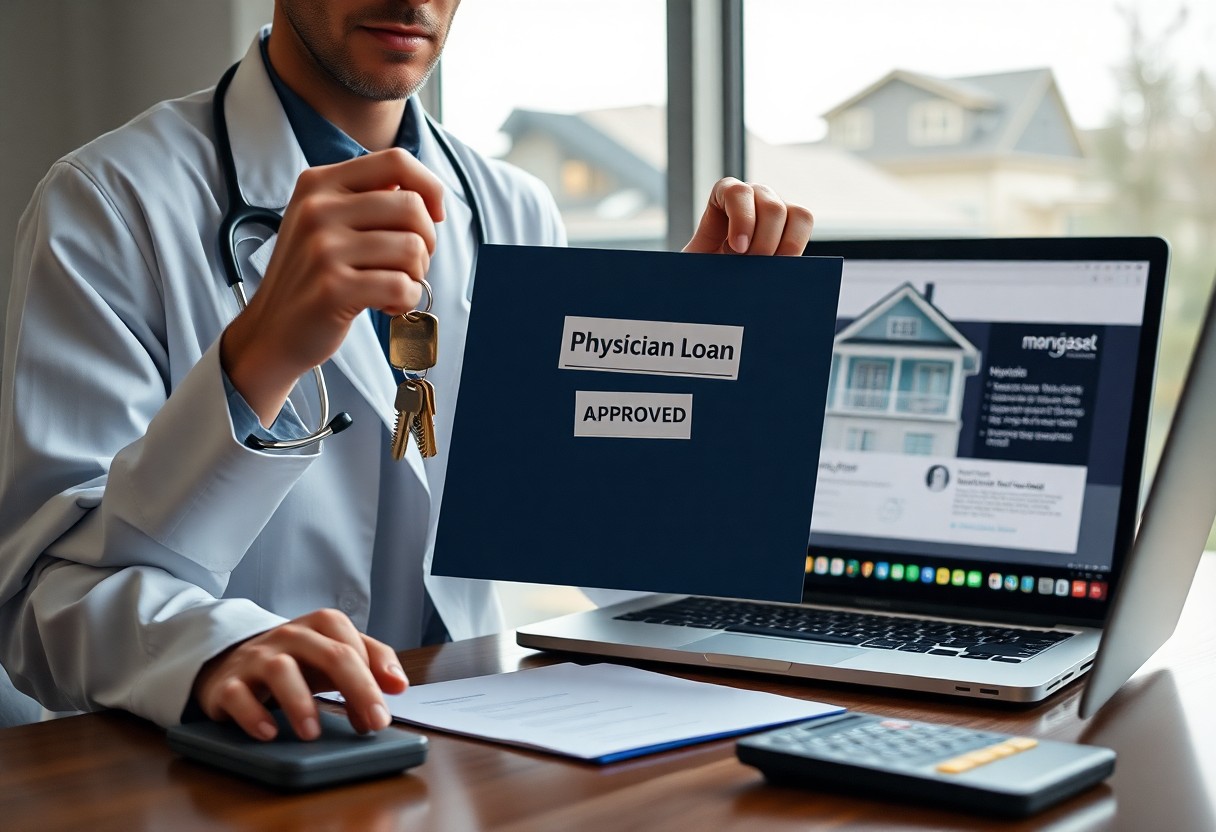

Over the years, home loan programs tailored for physicians have gained popularity, offering unique benefits to help you navigate the complexities of home buying. These programs often feature lower down payment requirements and flexible credit criteria, making homeownership more accessible. However, it’s necessary to weigh these advantages against potential drawbacks, such as higher interest rates or limited loan options. This post will guide you through the pros and cons of these specialized loan programs to help you make an informed decision about your financial future.
Overview of Home Loan Programs for Physicians
Physician home loan programs provide specialized mortgage options catering specifically to doctors and medical professionals. These programs acknowledge the unique financial challenges you face, such as student debt and potential for high income yet delayed career advancement, offering tailored solutions to achieve homeownership.
Definition and Purpose
These loan programs are designed to accommodate the financial profiles of physicians, often allowing for lower down payments and more favorable terms. The primary purpose is to simplify the home-buying process for medical professionals, ensuring you can secure a home despite early career financial obstacles.
Types of Programs Available
Various loan options are available under physician-specific programs, each tailored to unique needs. Common types include conventional loans with zero or low down payment, adjustable-rate mortgages, and FHA loans with relaxed qualifying requirements. The diversity allows you to select a program matching your long-term financial goals and homeownership plans.
| Program Type | Features |
| Zero Down Payment | No initial payment required; accessible for new physicians. |
| Adjustable-Rate Mortgages | Initial low rates that adjust over time; may save money initially. |
| Conventional Loans | Competitive rates with up to 100% financing; credit-focused. |
| FHA Loans | Lower credit score requirements; minimal down payment. |
| VA Loans | For veteran doctors; no down payment and no private mortgage insurance. |
Understanding various programs can help you make an informed decision. Each comes with specific eligibility requirements and potential advantages, such as lower interest rates or the ability to finance closing costs. Analyze features carefully to align them with your financial strategy and lifestyle. Any consideration of these options should factor in your long-term goals.
- Benefits may include lower closing costs and flexible credit requirements.
- Some programs might allow for higher debt-to-income ratios.
- Potential for no private mortgage insurance (PMI) in certain loans.
- Access to tailored financial advice through lending partners.
- Any decisions should be guided by thorough research and comparison.
| Program Advantages | Considerations |
| Low Down Payment | Launching costs may still be significant. |
| Flexible Income Assessment | Long-term financial impact if debts are high. |
| No PMI Options | May have higher interest rates. |
| Educational Resources Provided | No single program fits all circumstances. |
| Networking Opportunities | Some programs may limit refinancing options. |
Advantages of Physician Home Loan Programs
Choosing a physician home loan program offers several advantages tailored to your unique financial situation. These programs not only understand the pressures of your demanding career but create solutions that can facilitate homeownership without compromising your financial health. Key benefits include lower down payment requirements and competitive interest rates, enabling you to invest in your future more easily and affordably.
Lower Down Payment Requirements
Many physician home loan programs allow you to secure a mortgage with a down payment as low as 0% to 5%. This flexibility means you can avoid the hefty down payment traditionally required by most lenders, freeing up your savings for other expenses or investments. By reducing your initial financial burden, you can focus on your practice and personal life while still moving towards homeownership.
Competitive Interest Rates
Physician home loan programs often feature more favorable interest rates compared to conventional loans. These rates account for your stable career trajectory, potentially saving you thousands over the life of the loan. Your unique qualifications and income stability position you for these advantageous offerings, allowing you to lower your monthly payments and overall cost.
Typically, these competitive interest rates can be significantly lower than national averages, which could range from 0.25% to 0.5% below conventional mortgage rates. This not only makes your mortgage payments more manageable but also allows you to accumulate equity in your home more rapidly. For instance, opting for a loan with a 0.5% lower interest rate on a $500,000 mortgage can save you over $20,000 in interest payments over 30 years, highlighting the long-term financial benefits of these specialized loan programs for physicians.
Disadvantages of Physician Home Loan Programs
While these loans offer substantial benefits, there are notable disadvantages you should consider. Often, the fine print carries caveats that could impact your financial situation. It’s important to weigh these drawbacks against the advantages before committing to such a program.
Potential for Higher Fees
Often, physician home loan programs include higher processing and origination fees compared to conventional loans. These additional costs can offset some financial benefits, making it vital for you to scrutinize the total loan costs thoroughly before deciding.
Limited Availability in Certain Markets
Availability of physician home loan programs can be geographically restricted, particularly in rural areas or smaller towns. If you’re considering a location outside major metropolitan areas, you may find fewer lenders offering such specialized loans, limiting your financing options significantly.
This limitation often means that you have to settle for conventional financing options instead, which may not be as favorable as the physician-specific terms. In some cases, you might miss out on favorable loan features like lower down payments or reduced mortgage insurance. It’s vital to research lenders in your desired area to see if they provide physician loan options, as this can greatly influence your purchasing power and overall financial strategy. Understanding the regional nuances will help you make an informed decision about where you choose to live and work.

Key Considerations When Choosing a Home Loan
Deciding on a home loan involves evaluating various factors beyond interest rates. You’ll need to understand loan terms, fees, and your long-term financial goals. Identifying which features matter most to you-such as flexibility in repayment or special programs for physicians-will guide your decision-making process and ensure you select the best option tailored to your needs.
Assessing Personal Financial Situation
Before selecting a loan, conduct a thorough review of your financial status. Analyze your income, debts, and credit score to understand how they impact your borrowing capacity. This assessment helps you determine how much you can afford as a down payment and monthly payments, allowing for informed decisions that align with your financial security.
Comparing Options from Different Lenders
Exploring various lender options is important for finding competitive rates and favorable terms. Different lenders can offer divergent features, such as lower down payment requirements or reduced fees uncommon in traditional loans. Assessing these alternatives will provide a clearer picture of what suits your financial strategy the best.
Comparison Table of Lender Features
| Feature | Lender A | Lender B | Lender C |
|---|---|---|---|
| Interest Rate | 3.5% | 3.7% | 3.6% |
| Down Payment Requirement | 5% | 10% | 0% (for physicians) |
| Loan Term Options | 15/30 years | 30 years only | 15/20/30 years |
| Additional Fees | $1,200 | $1,500 | $800 |
In evaluating lender options, focus on interest rates, down payment requirements, loan types, and any fees associated with the loan. While one lender may offer a lower interest rate, another could provide more favorable terms or a unique program designed for physicians. Do a detailed comparison by gathering quotes and conditions to ensure you select the most advantageous loan for your financial situation.
Case Studies: Successful Home Purchases by Physicians
Examining real-world examples of physicians successfully navigating home loan programs provides insight into how these tools can facilitate home ownership. From urban condos to suburban family homes, these case studies highlight the diverse experiences and financial impacts.
- Dr. Smith purchased a $750,000 home in suburban Chicago with a 3.5% interest rate, allowing him to save $200 monthly compared to conventional loans.
- Dr. Lee secured a $500,000 property in Atlanta, utilizing a physician mortgage with a 0% down payment, resulting in significant initial savings.
- Dr. Patel refinanced her $400,000 home loan after two years, reducing her monthly payments from $2,500 to $2,000 through a tailored physician loan program.
- Dr. Johnson leveraged a low-interest option to buy a $600,000 condominium in Boston, estimating a total savings of $50,000 over 10 years compared to standard mortgages.
Examples of Positive Outcomes
Many physicians have successfully purchased homes that match their lifestyle needs while benefiting financially from specialized loan programs. For instance, Dr. Smith’s reduced monthly payment directly enhanced his cash flow, allowing him to invest more in his practice and personal life. These programs often enable you to achieve home ownership sooner without the impediment of large down payments.
Lessons Learned from Challenges
Despite numerous successes, several physicians faced challenges that highlighted the importance of thorough preparation and understanding of loan specifics. Many encountered issues with appraisal values not meeting expectations, leading to increased loan costs and stress during closing. Being proactive in understanding market trends and property values can mitigate potential pitfalls.
In particular, Dr. Anderson’s experience serves as a learning tool; he struggled with a delayed closing due to unforeseen underwriting conditions. His case illustrated the need to establish clear communication channels with lenders and realtors to navigate these challenges effectively. By anticipating issues related to credit profiles and documentation, you can better prepare for hurdles that could affect your home-buying process.
Expert Opinions on Physician Home Loan Programs
Financial experts widely acknowledge that home loan programs tailored for physicians offer distinct advantages, particularly favorable interest rates and flexible qualification criteria. These programs alleviate some financial stress during the early years of your career when student debt is often burdensome. However, they also caution you to consider the potential downsides, such as higher fees or the risk of overextending your budget due to attractive but cautiously reviewed offers.
Insights from Financial Advisors
Your financial advisor might highlight that physician loan programs can facilitate home ownership earlier in your career, allowing you to build equity rather than remain a renter. They emphasize the importance of evaluating all costs, including property taxes and maintenance, alongside the attractive loan terms to ensure you’re making a sound financial decision.
Testimonials from Borrowers
Many physicians express satisfaction with their home loan experiences, often citing the ability to secure financing despite high student debt. Borrowers report that these programs enabled them to purchase homes within the first few years post-graduation, fostering stability in their personal and professional lives. Their success stories highlight how tailored loans can transform home ownership dreams into reality.
Testimonials reveal a recurring theme: ease of access to financing significantly impacted their transition from residency to establishing a permanent home. For instance, a recent graduate shared how a physician loan helped her buy a house in a desirable school district, even with substantial student loans. Others emphasize the support from specialized lenders who understand the nuances of a physician’s financial situation, making the buying process smoother and less daunting.
Summing up
With these considerations, weighing the advantages and disadvantages of home loan programs designed for physicians allows you to make an informed decision tailored to your financial needs. These specialized loans often offer benefits like lower down payments and reduced interest rates, which can significantly ease the home-buying process. However, you should also be aware of potential downsides such as higher fees or limited loan options. Evaluating your unique situation will help you determine if these programs align with your long-term financial goals.