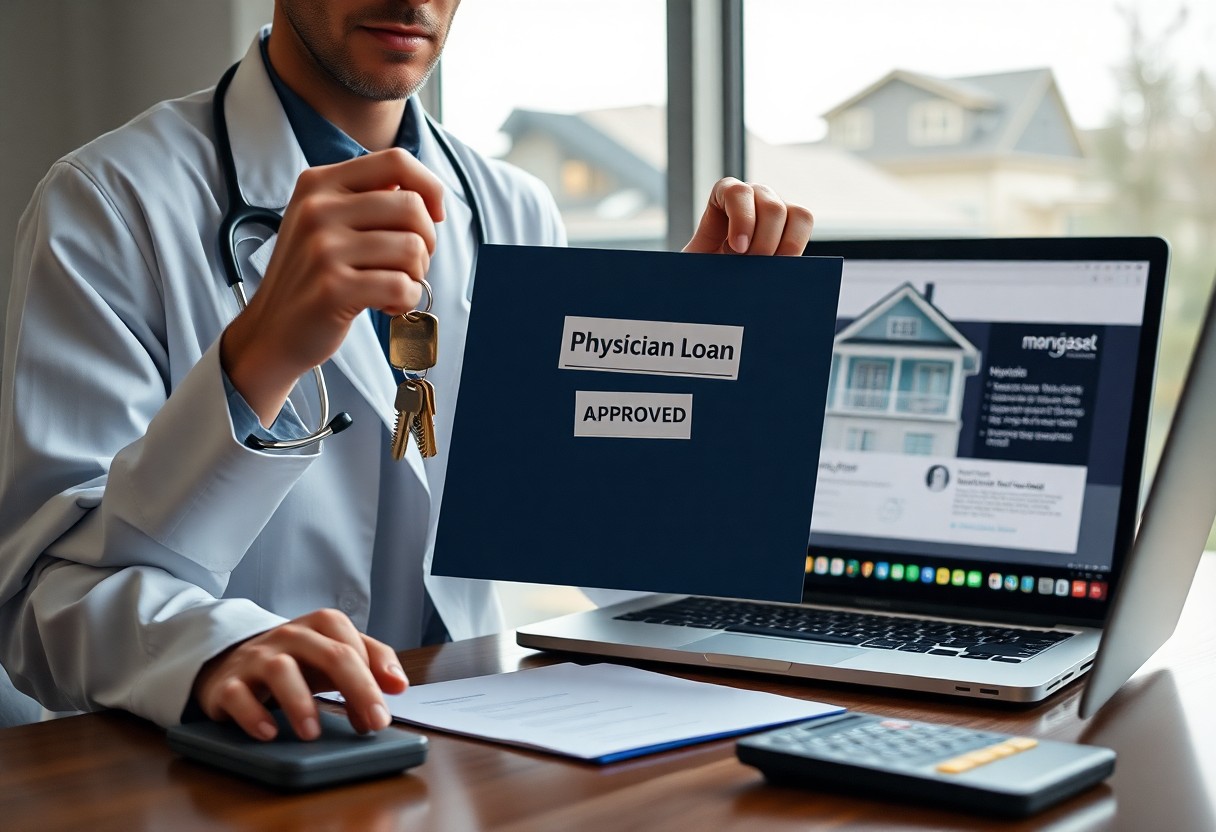

Many physicians face unique financial challenges, especially when it comes to securing a home loan. Understanding physician mortgage loans can empower you to make informed decisions that align with your professional life and financial goals. This guide will provide you with vital information on eligibility, benefits, and how to navigate the application process effectively, ensuring you can find the right loan to support your personal and professional journey.
Understanding Physician Mortgage Loans
Definition and Purpose
Physician mortgage loans are specialized home financing options tailored for medical professionals, allowing you to buy a home without the typical challenges associated with conventional loans. These loans were created to accommodate the unique financial situation of physicians, especially those newly graduated or still in training, ensuring access to homeownership even with high student debt and limited credit history.
Unique Features for Physicians
What sets physician mortgage loans apart are their distinctive features, such as low or no down payment options, waived private mortgage insurance (PMI), and flexible debt-to-income ratios. These loans often consider your future earning potential rather than just current income, making it easier for you to qualify without the conventional financial restrictions.
With a physician mortgage, you can secure financing with as little as 0% down, meaning you can purchase a home without depleting your savings for other regulatory expenses. This is particularly beneficial for residents and fellows who typically face 6-figure student loan debts. Many lenders also allow you to include anticipated income from your medical practice when calculating eligibility, which could enhance your borrowing capacity significantly. Such provisions make it a unique solution for professionals in the medical field seeking to establish roots without compromising their financial well-being.
Eligibility Requirements
To qualify for a physician mortgage loan, you must meet specific criteria set by lenders. These typically include being a licensed medical professional, such as a physician, dentist, or veterinarian. You will also need to be in a position of employment, either in a residency program or established in your specialty. Additionally, your income level and debt-to-income ratio will be assessed to ensure you can handle the mortgage payments effectively.
Employment Status
Your employment status plays a significant role in determining your eligibility. Lenders generally favor those who are employed full-time in a stable medical position, though residents and fellows with signed contracts can often qualify as well. Some lenders may also consider future earnings potential for those yet to start in their first positions following residency.
Credit Score Expectations
When applying for a physician mortgage loan, your credit score will influence your mortgage terms significantly. Most lenders expect a minimum score of around 700, although some may consider scores as low as 620. A better credit score not only improves your chances of approval but can also yield favorable interest rates and reduced down payment requirements.
Maintaining a strong credit score is necessary for maximizing your benefits under physician mortgage loans. Lenders assess your credit profile to evaluate your reliability as a borrower, with higher scores indicating a lower risk. To ensure you’re in the best position, review your credit report for errors, pay down existing debts, and make timely payments on any outstanding obligations. This proactive approach can help you secure the most advantageous mortgage terms available to you.

Benefits of Physician Mortgage Loans
Physician mortgage loans offer financial advantages tailored to the needs of medical professionals. These loans are designed to accommodate your unique circumstances, such as high student debt and limited credit history at the start of your career. Key benefits include low down payment options, no requirement for private mortgage insurance, and competitive interest rates, all aimed at easing the transition into homeownership while maximizing your financial stability.
Low Down Payment Options
One of the most appealing features of physician mortgage loans is the low down payment requirement, often ranging from 0% to 5%. This is significantly lower than conventional loans, which typically require 20% or more. You can secure financing without depleting your savings or diverting funds from other investments, allowing for a more manageable entry into homeownership. This can be particularly beneficial when you’re at the beginning of your career and balancing student loans and living expenses.
No Private Mortgage Insurance (PMI)
Physician mortgage loans typically do not require private mortgage insurance, a significant cost saver for you. PMI can add hundreds of dollars to your monthly payment when financing a home with a conventional loan, especially when your down payment is less than 20%. By eliminating this requirement, you can preserve your monthly budget and apply those funds to other crucial expenses, like student loans or building equity in your new home.
Not having to pay PMI can be a game-changer in your financial planning. For example, if you finance a $400,000 home and would otherwise pay PMI of around $300 monthly, you can redirect that money towards your mortgage principal or savings. This flexibility not only makes homeownership more accessible but also enables you to establish a stronger financial footing early in your career, ultimately leading to greater long-term wealth accumulation.
Common Pitfalls to Avoid
Avoiding common pitfalls can save you time, money, and stress when navigating physician mortgage loans. Many borrowers make oversights that lead to unfavorable terms and long-term financial issues. Educating yourself on these missteps is important for maximizing the benefits of your loan and ensuring a smooth home-buying process.
Overlooking Loan Terms
Thoroughly reviewing loan terms is vital; overlooking details can cost you significantly. Pay close attention to interest rates, fees, and repayment options. Some loans may offer attractive initial rates but include hidden costs that can escalate your total payments over time.
Ignoring Future Financial Goals
Failing to align your mortgage with your future financial goals can hinder your financial growth. Consider how this loan fits within your overall investment strategy and long-term objectives. If you plan on making substantial lifestyle changes or furthering your education, choose terms that provide flexibility.
Ignoring your future financial goals can lead to a disconnect between your mortgage and overall financial plan. For instance, if you envisage moving in five years or starting a family, opting for a loan with a longer term or lower monthly payments may seem sensible. However, ensure that this aligns with your plans for savings, investments, and schooling. A clear vision of your upcoming needs allows you to select a mortgage that supports rather than restricts your financial trajectory, thus preventing unnecessary strain later on.
Comparing Lenders
Key Factors to Consider
| Factor | Description |
|---|---|
| Interest Rates | Look for competitive rates that suit your financial situation. |
| Fees | Assess closing costs, origination fees, and additional charges. |
| Loan Terms | Evaluate the length of the loan and repayment options available. |
| Customer Service | Consider the lender’s responsiveness and support during the process. |
Key Factors to Consider
You need to analyze several key factors when comparing lenders for physician mortgage loans. These include interest rates, fees, loan terms, and customer service. Each of these elements can significantly impact your overall borrowing experience and costs. Look for a lender that offers favorable rates and clear, understandable terms.
- Interest rates that are competitive with other lenders.
- Clarity around all fees associated with the loan.
- Loan terms that align with your financial goals.
- Strong customer service for any inquiries or issues.
Assume that you prioritize these factors. This approach will guide you to lenders who not only provide favorable terms but also support you throughout the borrowing journey.
Importance of Reading Reviews
Reading reviews from other borrowers can provide invaluable insights into lenders’ reputations and services. These reviews often highlight real experiences, revealing patterns in customer satisfaction, responsiveness, and efficiency. By familiarizing yourself with feedback, you can avoid potential issues and select a lender with a proven track record of meeting borrowers’ needs.
Focusing on reviews helps you gauge a lender’s reliability and effectiveness. Look for testimonials that mention not just the loan process but also the handling of complications and customer interactions. A lender with consistently favorable reviews is likely to provide a smoother experience. Prioritize lenders with a history of positive feedback from individuals in similar professions or situations as yours. You want a partner who is supportive, reliable, and understands the unique challenges you may face.
The Application Process
The application process for a physician mortgage loan is typically streamlined to accommodate your unique financial situation. Lenders understand that you may still be in residency or fellowship, so they focus on your future earning potential rather than just your current income. You’ll need to gather your financial documents and provide detailed information about your employment prospects, allowing for a smooth application experience tailored to your specific needs.
Documentation Needed
You will need to prepare specific documentation to support your application. This typically includes your medical degree, proof of residency or employment, a recent pay stub or offer letter, and any relevant financial documents such as bank statements or tax returns. Some lenders may also request a credit report, although they often conduct this themselves during the application process.
Timeline and Expectations
The timeline for securing a physician mortgage loan can vary but usually ranges between 30 to 45 days. As you submit your application, expect to engage in communication with the lender for any clarifications needed on your documents and financial situation. Understanding that this timeline can fluctuate based on your unique circumstances and lender responsiveness is important for setting realistic expectations.
During the timeline of your application, keep in mind that delays can occur due to voluminous paperwork, lender reviews, and potential appraisal requirements. As you anticipate moving in a timely manner, maintaining open communication with your lender will provide updates on the process. Being proactive in addressing requested documentation or inquiries will help facilitate a smoother journey toward securing your physician mortgage loan.
Final Words
From above, you should now have a comprehensive understanding of physician mortgage loans and how they can benefit you in your journey toward homeownership. These specialized loans offer unique advantages tailored to your profession, addressing challenges like student debt and providing competitive terms. By leveraging these options effectively, you can make informed decisions that support your financial goals. As you navigate the complexities of purchasing a home, keep these insights in mind to maximize your opportunities and enhance your overall financial strategy.