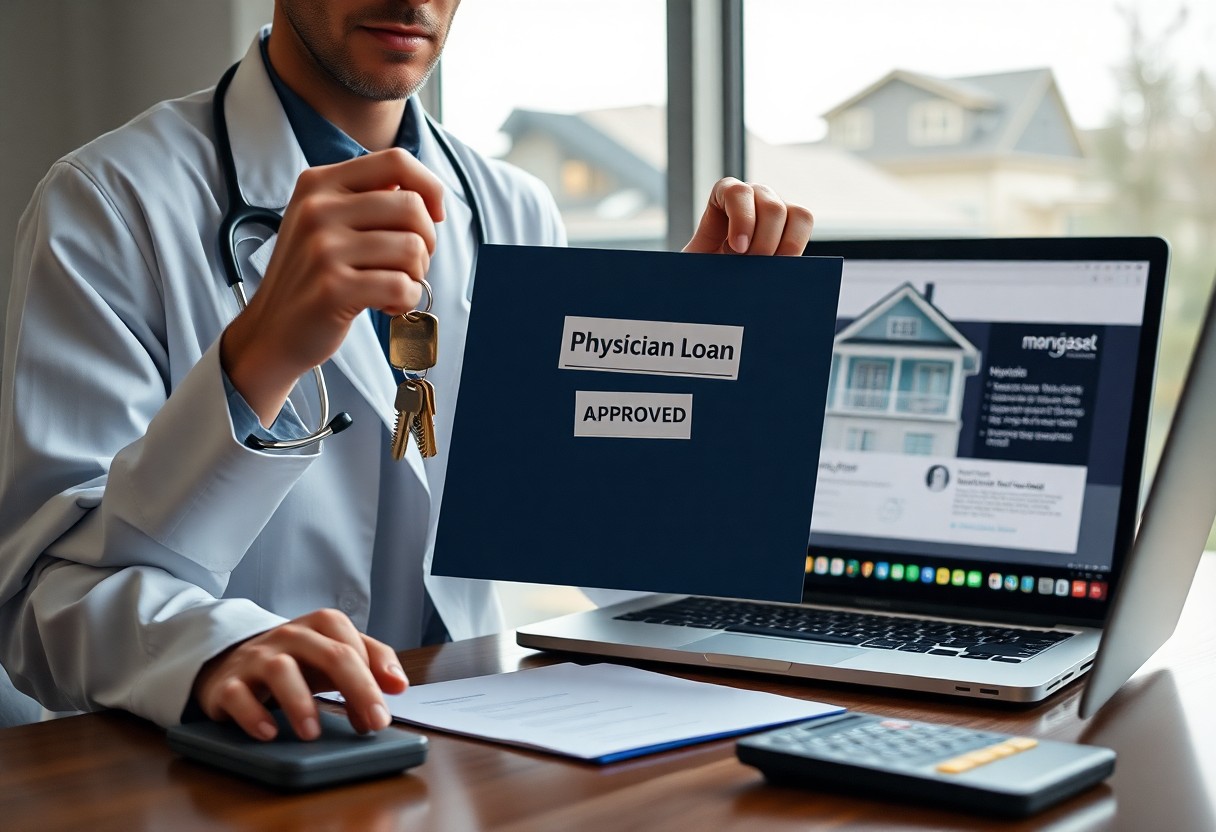

You may have heard various misconceptions about physician loan programs, which can lead to confusion when considering your options for financing a home. Understanding the facts behind these myths is vital for making informed decisions that align with your financial goals. This article debunks common misunderstandings and reveals the real advantages of these specialized loan programs designed specifically for healthcare professionals like you.
Understanding Physician Loan Programs
Physician loan programs are specialized mortgage lending options tailored for medical professionals. These programs typically feature low-down payment requirements, no private mortgage insurance (PMI), and more flexible credit criteria, making homeownership more accessible for physicians who may have high student loan debt but stable income potential.
What are Physician Loan Programs?
Physician loan programs are financing solutions designed specifically for individuals in the medical field, including residents, fellows, and practicing physicians. These loans help you secure a mortgage without the stringent requirements often imposed on traditional borrowers, such as a hefty down payment or perfect credit history.
Eligibility Requirements
To qualify for a physician loan program, you generally need to be a licensed medical professional, including doctors, dentists, and sometimes veterinarians. Lenders may require proof of income, a signed employment contract, or anticipated earnings for current residents. While different lenders have varying criteria, many programs allow for high debt-to-income ratios and lower credit scores than conventional loans.
Eligibility requirements can vary significantly among lenders and types of loan programs. Most institutions look for healthcare professionals, but some also include loan terms for those in training or just entering the workforce. You might find that lenders are particularly accommodating of your unique financial situation, often considering future earning potential over your current debt level. As a resident, you might only need an upcoming contract for a position, while attending physicians often need to provide proof of employment and salary. It’s beneficial to compare different lenders and understand their specific criteria to find the best fit for your circumstances.
Common Myths
Your understanding of physician loan programs may be clouded by several prevalent myths that could hinder your ability to utilize these beneficial financial options. Dissecting these misconceptions can provide clarity and empower you to make informed decisions when pursuing homeownership.
Myth 1: High Down Payments are Mandatory
A common misconception is that physician loan programs require significant down payments, often ranging from 20% or more. In reality, many physician loans are designed with low to no down payment options, enabling you to purchase your home without being burdened by hefty upfront costs.
Myth 2: Only Certain Banks Offer These Loans
There’s a widespread belief that only a select few banks provide physician loan programs, which can limit your options. In fact, numerous financial institutions-including both large national banks and local credit unions-offer these loans tailored specifically for medical professionals. It’s worth researching and comparing various lenders to find the best terms and rates for your situation.
Many lenders understand the unique financial challenges you face as a physician and have developed competitive offerings. Well-known banks, regional lenders, and even online platforms frequently advertise physician loan products, often with favorable terms such as no private mortgage insurance (PMI) and extended repayment options. Given the increasing popularity of these loans, it’s necessary to shop around and assess multiple lenders to ensure you’re securing the most advantageous deal available.
The Real Facts
Physician loan programs are designed with unique features that cater to the financial landscape of medical professionals. Unlike traditional mortgages, these loans often do not require a down payment or private mortgage insurance (PMI), making them more accessible. You can also find options that consider your future income potential rather than just your current salary, providing a pathway to homeownership that aligns with your career path and financial goals.
Flexible Financing Options
These programs frequently offer flexible financing options tailored to your situation, such as accommodating student loan debt without penalizing you in terms of borrowing capacity. Many lenders allow for higher debt-to-income ratios, recognizing the financial burden of medical school while still enabling you to qualify for your dream home.
Benefits Beyond Standard Mortgages
Choosing a physician loan program means accessing additional benefits that typical mortgages do not provide, such as lower interest rates and flexible terms. These incentives can save you thousands over the life of your loan, as many programs also cater specifically to new graduates who are just entering their fields.
Additionally, physician loan programs often come with a variety of perks, such as no requirement for PMI and potential for 100% financing, which can lead to significant savings. For instance, a physician borrowing $500,000 without PMI could save approximately $250 per month, or $3,000 a year, compared to a traditional mortgage. With tailored repayment plans and less stringent credit requirements, these loans are structured to accommodate the unique financial journey of healthcare professionals, making homeownership more attainable and manageable.
Key Considerations for Prospective Borrowers
When exploring physician loan programs, you must weigh several key factors to ensure a suitable fit for your financial situation. Consider your current debt, future income potential, and the program’s specific benefits and drawbacks. Each lender may offer different terms, so it’s important to compare options thoroughly. Additionally, assess how these loans align with your long-term financial goals, including home ownership, stability, and investment opportunities.
Long-Term Financial Implications
Your choice of a physician loan can significantly affect your financial future. Lower down payments and careful management of interest rates may enable you to invest in other areas, such as retirement accounts or savings. However, lengthy terms may lead to higher overall costs, so consider the long-term implications before committing to a loan. Analyzing the potential for property appreciation within your area is equally important to maximize your investment.
Importance of Credit Scores
A strong credit score is more than just a number; it can open doors to better loan terms and interest rates. Lenders evaluate your credit history to decide how reliable you are as a borrower. Ensure your credit report is accurate and up-to-date, addressing any inaccuracies promptly to avoid complications during the application process.
Your credit score impacts not only your eligibility for a physician loan but also influences the interest rates you may receive. Higher scores typically translate to lower rates, saving you money over time. Keeping your credit utilization low and making timely payments will enhance your creditworthiness. Familiarize yourself with your credit report; understanding its components helps you improve your score as needed, thus bolstering your chances of securing the most favorable loan terms available.

Comparing Physician Loan Programs to Traditional Mortgages
| Physician Loan Programs | Traditional Mortgages |
|---|---|
| Lower or no down payment options | Usually require 5-20% down payment |
| No private mortgage insurance (PMI) | PMI often required with low down payments |
| Higher debt-to-income allowances | Tighter debt-to-income constraints |
| Specialized for recent graduates | Standard guidelines apply regardless of profession |
Interest Rates and Terms
Interest rates for physician loan programs are often competitive with traditional mortgages, but they can vary significantly based on the lender and market conditions. You may find that some lenders offer fixed rates for a longer duration, while others may provide adjustable-rate options more suitable for your financial situation. The flexibility in terms can help you align your mortgage with your income trajectory.
Loan Limits and Structures
Physician loan programs typically feature higher loan limits compared to traditional mortgages, accommodating the unique financial situations of medical professionals. You may qualify for amounts up to $1 million or more without extensive documentation of your income, which can be particularly beneficial in high-cost living areas.
The structure of physician loans often allows for greater flexibility, such as the option for interest-only payments in the initial years. This can significantly ease the financial burden as you transition from residency to full-time practice. Additionally, some programs offer variable structures, providing you with various payment plans that align better with your fluctuating earnings during the early years of your career. Understanding these differences is vital to making an informed decision that supports both your present needs and future financial goals.
Tips for Choosing the Right Loan Program
When selecting a physician loan program, consider several factors to ensure you find one that meets your needs.
- Assess your financial situation, including income stability and credit score.
- Compare interest rates and terms from multiple lenders.
- Evaluate any potential loan forgiveness options.
- Look for lender support and guidance during the process.
- Understand the impact of the loan on your long-term financial goals.
After weighing these aspects, you’ll be better equipped to choose a program that aligns with your circumstances.
Evaluating Lender Options
It’s vital to carefully evaluate your lender options based on reputation, rates, and customer service. Explore reviews and testimonials from fellow medical professionals who have utilized these loans. A lender with experience in physician loan programs can offer tailored advice and support, ensuring a smoother borrowing experience.
Understanding Loan Features
Delving into the specific features of physician loan programs is crucial for making an informed decision.
You should closely examine key characteristics such as down payment requirements, interest rates, and loan limits. Many programs allow for zero down payment or significantly reduced amounts, along with competitive interest rates. Some offer no private mortgage insurance (PMI), which can drastically lower your monthly payments. Additionally, look into features like flexible credit score requirements, which can cater to new graduates or those with modest financial histories. By understanding these loan features, you can identify a program that provides the best overall value for your financial strategy.
Summing up
So, as you navigate the world of physician loan programs, it’s imperative to distinguish between common myths and the actual facts. Many misconceptions can lead you astray, affecting your financial decisions. By understanding the true nature of these programs, you can leverage their benefits effectively and make informed choices that enhance your medical career and financial future. Stay informed and consult reliable sources to optimize your borrowing experience.