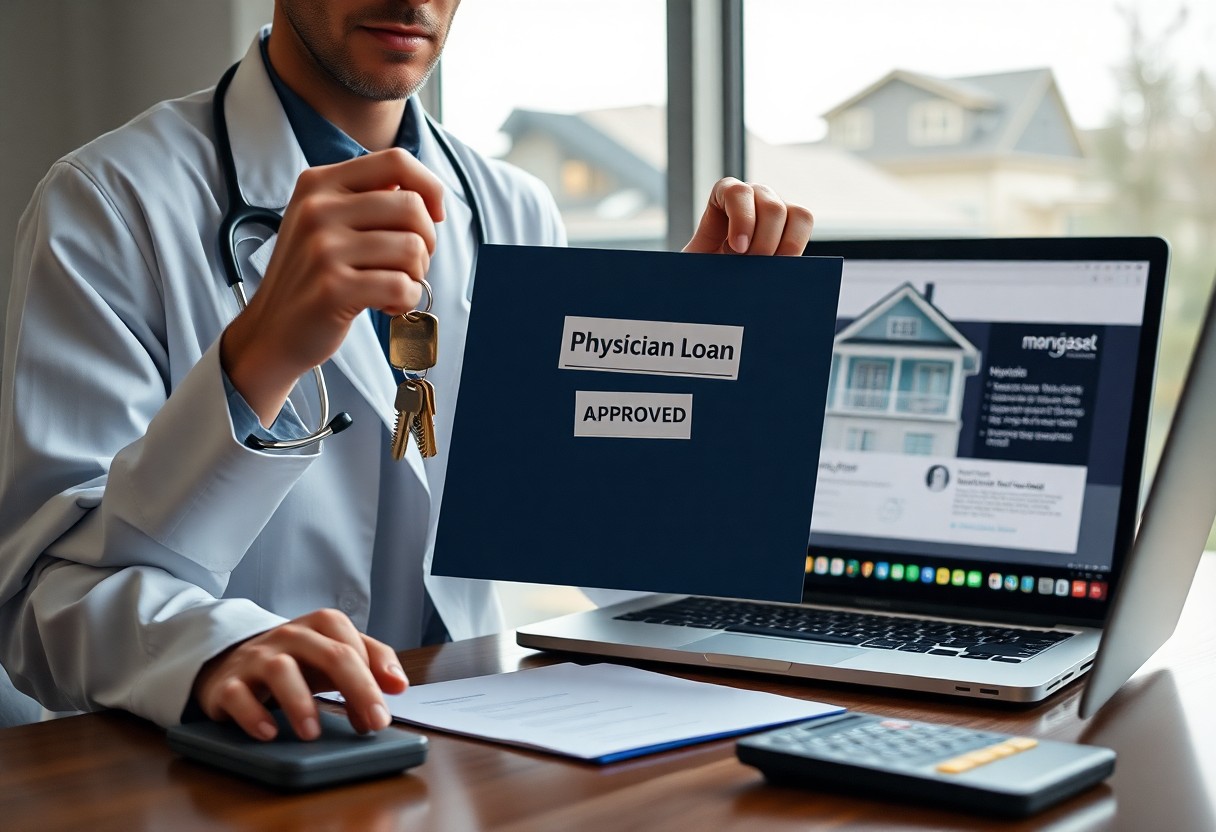

Many doctors are unaware of the unique benefits offered by physician loan programs when it comes to purchasing a home. These specialized mortgages are designed to accommodate the financial situations of medical professionals, allowing you to navigate the home-buying process with ease. Understanding the key features, eligibility requirements, and potential advantages can empower you to make informed decisions that align with your career and financial goals. This post will provide necessary insights to help you maximize your opportunities and secure the right home for your needs.
Understanding Physician Loan Programs
Definition and Overview
Physician loan programs are specialized mortgage products designed to meet the unique financial situations of medical professionals. These programs typically allow you to secure a home loan with favorable terms, often including low or no down payments, reduced mortgage insurance requirements, and exceptions for student loan debt. They cater to the financial needs of those in residency, fellowship, or early career stages, making homeownership more accessible for doctors.
Key Benefits for Physicians
The primary advantage of physician loan programs is the flexibility they offer compared to traditional mortgage options. You can often borrow up to 100% of the home’s value without private mortgage insurance (PMI), which significantly reduces monthly costs. Additionally, these loans often consider your future earning potential rather than your current income, helping you qualify for larger amounts. This can be particularly beneficial as you transition into high-earning positions.
Physician loan programs also typically feature less stringent credit score requirements, increasing your chances of approval during early career years when your finances may still be unstable. For instance, a study indicated that over 80% of doctors qualify for these loans based on their projected earnings alone. Furthermore, some lenders offer tailored services and expertise to assist you throughout the home-buying process, ensuring you find a suitable home with less stress. This combination of benefits makes it easier for you to invest in a property early in your career, allowing you to build equity and stability as you advance in your profession.
Eligibility Criteria
Understanding the eligibility criteria is crucial for physicians considering a loan program tailored for them. Typically, these criteria focus on your professional status, with many programs specifically designed for new graduates, residents, and employed physicians. These loans often allow for a higher debt-to-income ratio compared to traditional loans, acknowledging your future earning potential in the medical field.
Common Qualifications
Most physician loan programs require a valid medical license or proof of enrollment in a residency program. Lenders may look for at least one year of employment within a medical field or a contract for future employment, ensuring your income is stable. Additionally, some programs have specific requirements regarding the type of property you wish to purchase.
Income Considerations
Your income plays a significant role in loan eligibility and can influence terms such as interest rates and down payment requirements. Many lenders focus on your future earning potential rather than solely your current income, which can be beneficial as a new physician.
Income considerations include your expected starting salary, bonus structures, and even student loan debt. Some lenders allow you to use future income projections from contracts or offers, which can be advantageous for new graduates. If you’re still in residency, your current income may be lower, but many programs consider your projected income post-residency to help qualify you for higher loan amounts. Understanding how lenders assess your income can assist you in maximizing your loan options effectively.
Types of Physician Loan Programs
- Conventional Loans
- FHA Loans
- VA Loans
- Jumbo Loans
- Portfolio Loans
The varying types of physician loan programs cater to different needs and financial situations, each designed with unique terms and conditions.
| Loan Type | Key Features |
| Conventional Loans | Standard financing without government backing, usually requiring a 20% down payment. |
| FHA Loans | Insured by the Federal Housing Administration, allowing for lower down payments. |
| VA Loans | Available to veterans with no down payment and no mortgage insurance. |
| Jumbo Loans | For high-value properties that exceed conforming loan limits, typically requiring bigger down payments. |
| Portfolio Loans | Held by lenders and not sold on the secondary market, offering more flexible terms. |
Conventional Loans
Conventional loans are traditional mortgage options that demand a sizable down payment, often around 20%. They offer competitive interest rates and are suitable for physicians with strong credit profiles. These loans typically don’t include specific benefits tailored to doctors, making them less appealing if you are eligible for better alternatives.
FHA and VA Loans
FHA and VA loans present affordable mortgage options with distinct advantages for physicians. FHA loans require low down payments and allow for credit scores as low as 580, making homeownership accessible. VA loans, on the other hand, provide veterans with no down payment and no private mortgage insurance, making them an excellent choice for qualifying physicians.
FHA and VA loans significantly help first-time homebuyers and medical professionals looking to lower their upfront costs. FHA loans come with flexible qualifications and lower down payment thresholds. Conversely, VA loans allow you to finance your home without a down payment, which can save you thousands upfront. Both options can lead to substantial savings and make homeownership achievable, allowing you to focus on your career and life without the burden of excessive financial strain.
Comparing Loan Options
| Loan Type | Characteristics |
|---|---|
| Conventional Loans | Standard loans, often requiring 20% down; competitive rates. |
| FHA Loans | Low down payment options; useful for first-time buyers; insurance premiums required. |
| VA Loans | No down payment required; available to veterans; no PMI. |
| Physician Loans | Designed for doctors; low or no down payment; flexible credit requirements. |
Interest Rates and Terms
You’ll encounter varying interest rates and loan terms, typically ranging from 15 to 30 years. Physician loans often offer competitive rates, but market conditions can affect your options. Locking in a lower interest rate, even minimally, can save you thousands over the life of the loan, making it imperative to shop around before deciding.
Down Payment Requirements
Down payment requirements directly influence your loan affordability. While traditional loans often necessitate a 20% down payment, physician loans may allow you to secure a mortgage with no down payment or a significantly reduced amount, easing the financial burden upfront.
For example, if you qualify for a physician loan, you could purchase a $500,000 home with a $0 down payment, significantly reducing your initial cash outlay compared to a conventional loan that would require $100,000 down. This flexibility enables you to maintain liquidity for other needs, such as relocation costs or unexpected expenses. Such advantages make physician loans particularly attractive as you navigate your first home purchase.
The Application Process
Understanding the application process for physician loan programs is crucial for securing financing. Lenders typically evaluate your credit score, income, and debt-to-income ratio, considering your unique financial situation as a medical professional. You’ll need to navigate various steps, including pre-qualification, submitting documents, and waiting for underwriting. Being organized can accelerate the process and improve your chances of approval.
Documentation Needed
You will need to gather specific documents to streamline your application. Typical requirements include your employment contract, pay stubs, tax returns, and bank statements. Additionally, proof of residency and a letter of explanation regarding student loans may also be required. Preparing these documents in advance can help you a great deal.
Tips for a Successful Application
Maximize your chances of approval by following these key tips. Ensure your credit score is optimal; aim for at least 700 for favorable rates. Be transparent about your financial situation, providing all necessary documentation promptly. Communicate openly with your lender to address any questions or concerns they might have. The sooner you act, the better the outcome.
- Maintain a strong credit score.
- Be organized with financial documents.
- Communicate openly with your lender.
- Follow up regularly for updates.
- Confirm all details are accurate and complete.
- Understand the terms of your loan agreement.
- Prepare for potential closing costs and fees.
- Stay proactive during the underwriting process.
- The more you prepare, the smoother the process will be.
Pertaining to your application, clarity is key. Clearly outline any irregularities in your financial history, such as gaps in employment or changes in income. Additionally, having a support system, such as a mortgage broker familiar with physician loans, can provide you with insights tailored to your specific needs. Be ready for potential questions from lenders, and don’t hesitate to seek clarification on any loan aspects you find confusing. The right approach can significantly enhance your mortgage application experience.
- Clarify any financial irregularities upfront.
- Work with experts who understand physician loans.
- Anticipate lender questions and prepare responses.
- The effort you invest will pay off in securing a favorable loan.

Long-term Financial Considerations
When considering a home purchase through physician loan programs, it’s imperative to weigh the long-term financial implications. These loans often allow you to buy a home with low or no down payment, but the impact on your overall financial health must be assessed. Over time, mortgage payments can affect your cash flow, potentially limiting your ability to invest or save for retirement. It’s wise to project your financial status for the next decade to ensure you are not stretching your resources too thin.
Impact on Credit and Debt
Your credit score plays a significant role in obtaining favorable loan terms. Physician loan programs may have more lenient requirements, but excessive debt can hinder your ability to purchase a home. Managing student loans, credit cards, and other financial obligations is imperative. Avoid high debt-to-income ratios to ensure you remain an attractive borrower in the eyes of lenders.
Resale and Investment Potential
While your primary focus might be securing a residence, the resale value of your property is a critical consideration for future financial wellness. Market conditions fluctuate, and factors such as location, property type, and neighborhood demographics heavily influence long-term growth. Properties in proximity to hospitals or medical centers often retain value due to demand from fellow medical professionals. Investing time in research can help you identify homes with strong resale potential, ensuring a solid return if you choose to sell later.
Properties near hospitals and other medical facilities tend to attract a stable demand, making them resilient against market downturns. Historically, homes in these areas have outperformed overall market averages, appreciating at rates of 5-7% annually. Emerging neighborhoods surrounding major healthcare hubs can also offer lucrative investment opportunities. Evaluating neighborhood growth trends, planned developments, and local amenities can guide you toward a property that not only serves your current needs but also acts as a smart investment for your financial future.
To wrap up
As a reminder, understanding physician loan programs is important for your home-buying journey. These specialized loans offer tailored benefits that can help you navigate the unique financial challenges faced by healthcare professionals. By leveraging these programs, you can secure favorable terms, avoid private mortgage insurance, and manage your student debt more effectively. It’s important to research and compare different options to find the best fit for your financial situation. Taking the time to educate yourself will empower you to make informed decisions as you invest in your future home.