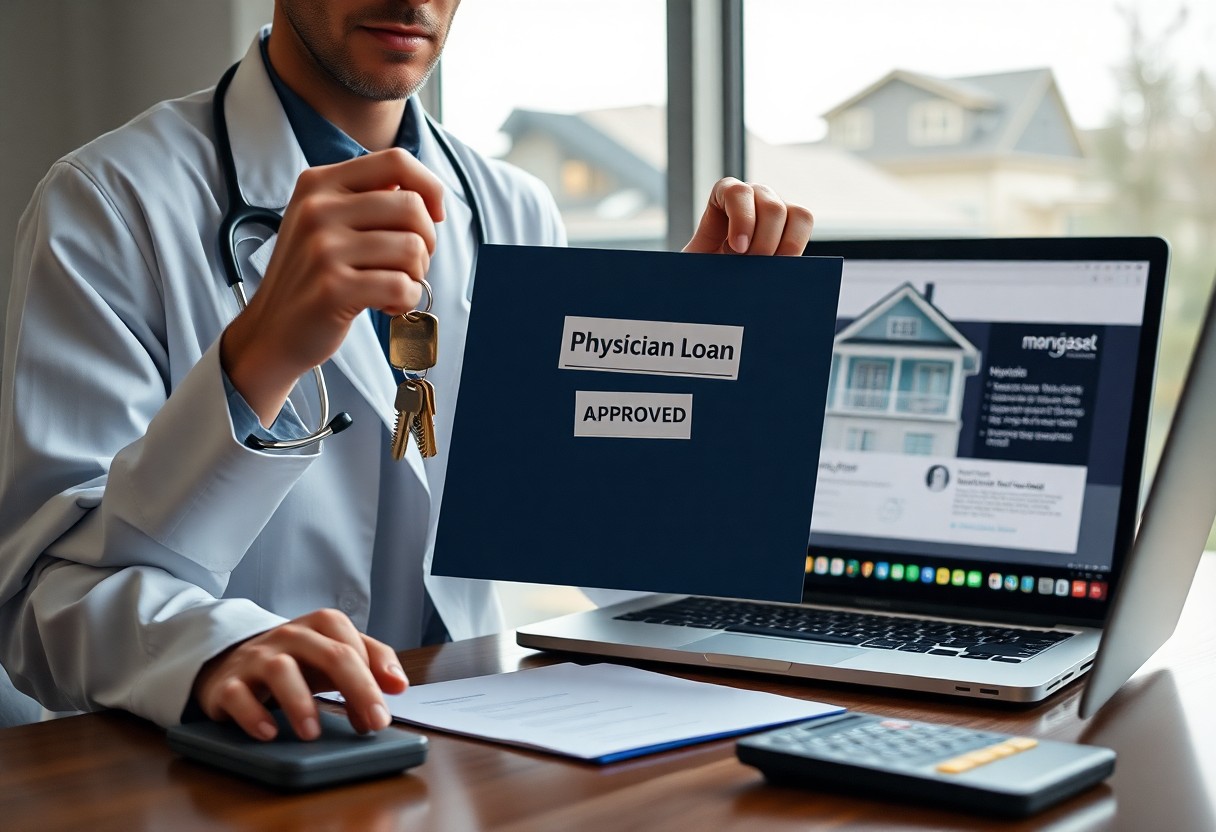


Over the course of your medical career you may have heard misleading claims about doctor mortgage loan programs; this guide cuts through the noise to show what you can realistically expect, how lenders evaluate your income and residency status, which perks are genuine, which requirements are flexible, and how to improve your approval odds so you can make informed decisions about financing your home.

Myth: Only for new doctors
Even if you’ve been practicing for years, doctor mortgage loan programs can still benefit you; lenders focus on your profession, income stability, and future earnings potential rather than just your graduation date. You may qualify as a resident, fellow, new hire, or experienced practitioner, and many programs allow refinancing to access better terms later. Your specialty, contracted salary, or school loans often matter more than “newness,” so explore options tailored to your career stage to see if these loans fit your financial goals.
Myth: Require large down payment
You often won’t need a large down payment with doctor mortgage loan programs; lenders typically base approvals on your high earning potential and offer 0-5% down options, sometimes without private mortgage insurance. These programs are tailored to medical professionals who have strong future income but limited savings early in their careers, so you can preserve cash for moving, loan repayment, or investments.
Myth: High interest rates
You don’t automatically face higher interest with doctor mortgage loan programs; lenders often price these products competitively because they target high-earning professionals with strong future income potential. With solid credentials and clear documentation, you can secure rates comparable to conventional loans, benefit from flexible underwriting, and access rate-lock options that protect your long-term costs.

Myth: Limited to certain specialties
You might think doctor mortgage loans are reserved for a narrow set of specialties, but lenders generally focus on your education, licensure, and projected income rather than your exact field; as a result you, whether a physician, dentist, veterinarian, pharmacist, nurse practitioner, resident, or fellow, can often qualify-check specific lender criteria and documentation requirements to confirm eligibility for your situation.
Myth: Ineligible with student loans
Having student loans doesn’t automatically disqualify you from doctor mortgage programs. Lenders typically assess your repayment plan, residency or fellowship income, and debt-to-income ratio; deferred or income-driven payments may be counted differently. If you document your expected earnings, residency contracts, and repayment terms, you often can qualify despite student debt.
Myth: Complicated application process
You might assume doctor mortgage loans require overwhelming paperwork, but specialized lenders design applications around your training timeline and income structure. You’ll typically submit employment or residency contracts, licensing, and student loan statements; many lenders accept future employment contracts instead of long work history and coordinate directly with loan servicers. With organized documents and a broker who knows these programs, underwriting moves efficiently.
Myth: Only for first homes
Many assume doctor mortgage loans are limited to first-time buyers, but you can use them for move-up purchases, relocations, refinancing, or sometimes second homes and investment properties depending on lender rules; your eligibility typically hinges on your profession and income rather than prior ownership. Always verify specific occupancy and property-use restrictions with the lender so you know how your situation fits the program.
Myth: No benefits for residents
You may think resident status disqualifies you from doctor loan perks, but many programs explicitly include residents and fellows, offering low or no down payment, flexibility on debt-to-income ratios, and waived private mortgage insurance. By documenting your medical salary, contract, or training pathway, you can access underwriting that values your future earnings instead of penalizing current residency debt.
Myth: Only available from banks
You can access doctor mortgage programs from more than traditional banks: credit unions, mortgage brokers, nonbank lenders, and specialty lenders that focus on physicians often offer loan options tailored to your needs. Working with a broker or lender experienced in physician loans helps you compare terms, down payment alternatives, and program perks so you can choose the best fit for your practice and financial goals.
Conclusion
Following this review, you should understand that doctor mortgage programs are more accessible and flexible than myths suggest: you can often qualify despite student debt, secure low down payments or competitive rates, use employment contracts or residency agreements as income, and shop multiple lenders to find favorable terms; evaluate documentation needs carefully and consult a specialist so you can confidently use these programs to buy or refinance on terms that fit your career stage.