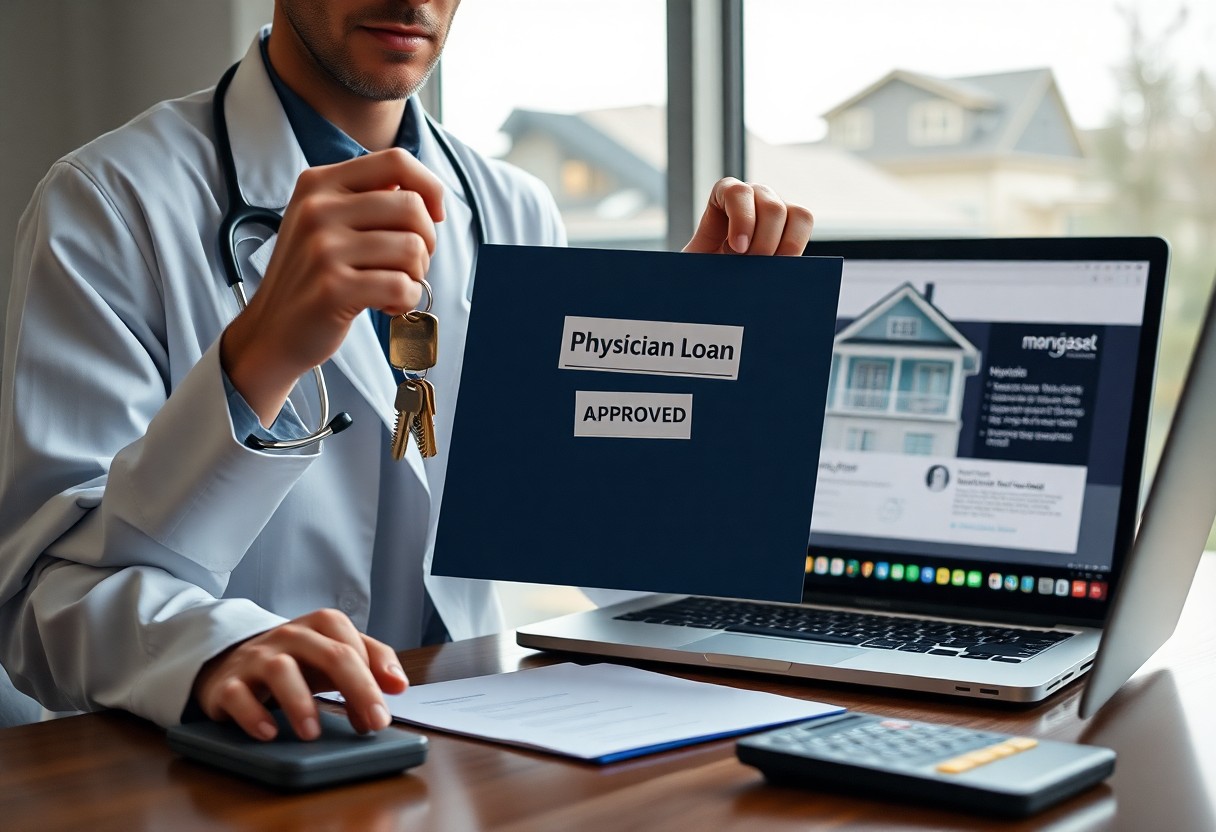

Mortgage options can be overwhelming, especially for busy medical professionals like you. Understanding physician mortgage loans is important for making informed decisions about your home financing. This guide will arm you with the knowledge you need to navigate these specific loan products designed for doctors, allowing you to maximize your purchasing power and secure your dream home efficiently.
Understanding Physician Mortgage Loans
These specialized loans cater specifically to the financial circumstances of medical professionals, often providing unique benefits that traditional loans do not. You’ll find that these loans typically offer lower down payment options and greater flexibility regarding debt-to-income ratios, making homeownership more attainable during the early stages of your career.
Types of Physician Mortgage Loans
There are several varieties of physician mortgage loans available, each designed to address specific financial situations. Your chosen type may depend on factors like your career stage and preferred lender.
- Fixed-rate loans
- Adjustable-rate mortgages (ARMs)
- FHA-insured loans
- Jumbo loans
- Combination loans
| Loan Type | Description |
| Fixed-rate loans | Stable payments over the life of the loan. |
| Adjustable-rate mortgages (ARMs) | Initial fixed rate that adjusts periodically. |
| FHA-insured loans | Government-backed, low down payment options. |
| Jumbo loans | For home prices exceeding conforming loan limits. |
Perceiving the range of options available helps you make an informed choice based on your financial profile and long-term goals.
Key Factors Impacting Loan Approval
Your loan application is evaluated based on several significant factors that can impact approval rates. Understanding these can enhance your chances of securing favorable terms.
- Credit score
- Debt-to-income ratio
- Employment stability
- Down payment size
- Loan amount requested
After you assess these factors, you can work on improving any areas that may hinder your application, which can lead to better financing options.
- Consider building your credit score by paying down any existing debts.
- Limit new applications for credit before applying for a mortgage.
- Document your employment history to show financial stability.
- Save for a larger down payment to reduce the loan amount.
- Gather all necessary documentation to streamline the process.
After gathering the right information and preparing your finances, you position yourself more favorably to lenders, improving your chances of approval and advantageous loan terms.
Step-by-Step Guide to Obtaining a Physician Mortgage
| Step | Description |
| 1. Preparing Your Finances | Gather necessary documents like tax returns and bank statements. Assess your credit score and eliminate debt to improve your borrowing potential. |
| 2. Choosing the Right Lender | Research lenders who specialize in physician loans, comparing their interest rates, fees, and terms to find the best fit for your needs. |
| 3. Pre-Approval Process | Submit your financial documents to the chosen lender to obtain a pre-approval letter, which strengthens your position when making an offer. |
| 4. House Hunting | Locate properties within your budget and preferences, working closely with a real estate agent to streamline the process. |
| 5. Finalizing Your Loan | Once you select a home, complete the application with your lender, providing any additional documentation required. |
Preparing Your Finances
Start by organizing your financial documentation, including recent pay stubs, tax returns, and bank statements. Assess your credit score, as a higher score can yield better loan terms. Pay down existing debt where possible to improve your debt-to-income ratio, which lenders often scrutinize in the approval process.
Choosing the Right Lender
Selecting the right lender is vital for securing favorable terms on your physician mortgage. Evaluate lenders that specialize in physician loans, understanding their specific offerings and requirements, including down payment options and loan limits. Look for lenders who understand your profession’s nuances, as this can impact the approval process and terms significantly.
Specialized lenders often offer tailored programs for physicians that include benefits like low to no down payment options and lenient income verification processes. Comparing multiple lenders can highlight differences in rates and fees, enabling you to select one that offers the best overall value. Engaging with a lender who understands the intricacies of your financial situation as a medical professional will streamline your home-buying journey.
Tips for Securing the Best Rates
To secure the most favorable mortgage rates, consider implementing these strategies:
- Shop around with multiple lenders.
- Maintain a strong credit score.
- Offer a larger down payment.
- Consider a shorter loan term.
- Stay informed about market trends.
Perceiving the value of these elements can lead you to significant savings over the loan’s lifespan.
Negotiating with Lenders
When approaching lenders, be prepared to discuss your qualifications and the value you bring as a physician. Highlighting your stable income and low debt-to-income ratio can empower you in negotiations, often leading to better terms. Don’t hesitate to ask for rate matches from competing lenders, as the mortgage landscape is competitive.
Utilizing Credit Improvements
Improving your credit score can dramatically influence the rates you receive. Simple actions like paying down existing debt and ensuring on-time bill payments can elevate your score and enhance your financial profile.
A strong credit score often translates to lower interest rates and better loan terms. For instance, increasing your score by just 50 points can save you thousands over the life of a mortgage. To effectively boost your credit, check your credit report for errors, address any issues such as late payments, and aim to keep credit utilization below 30%. These steps demonstrate financial responsibility, making you a more appealing candidate to lenders.

Pros and Cons of Physician Mortgage Loans
| Pros | Cons |
|---|---|
| No PMI required | Higher interest rates |
| Low down payment options | Limited lender options |
| Eligibility for recent graduates | Potential for negative amortization |
| Flexible debt-to-income ratios | Higher overall loan amounts |
| Quick application process | Limited to certain professions |
| Potential to build equity faster | Less equity protection initially |
Advantages of Physician Mortgages
Physician mortgage loans offer benefits tailored for medical professionals, including no private mortgage insurance (PMI), which can reduce your monthly payments significantly. The low down payment requirements, often as low as 0% to 5%, provide a pathway to homeownership without depleting your savings. Additionally, flexible debt-to-income ratios make it easier for you to qualify, even with student debt. Lenders often understand your long-term earning potential, which can expedite the application process and provide favorable terms.
Disadvantages to Consider
Despite their advantages, physician mortgages come with certain drawbacks. Interest rates tend to be higher compared to conventional loans, increasing overall loan costs. The limited number of lenders offering these products restricts your options. You should also be aware that some loans could allow for negative amortization, where your payments may not cover the interest, leading to an increase in the total loan balance. Additionally, these loans are typically available only to physicians, which can exclude other healthcare professionals from similar benefits.
As a potential borrower, it’s important to weigh these disadvantages carefully. While the lack of PMI and low down payments may seem appealing, the higher interest rates can add up over time, leading to substantially more paid in interest over the life of the loan. Furthermore, limited lender choices may hinder your ability to shop for the best rates. Always do detailed comparisons and consider long-term financial implications before choosing a physician mortgage loan.
Common Misconceptions About Physician Mortgages
Misinformation can hinder your home-buying journey as a physician. Many assume that physician mortgage loans come with hidden fees or unfavorable interest rates. These misconceptions often stem from unfamiliarity with the unique lending processes available to medical professionals. Understanding the realities of these loans will empower you to make informed financial decisions.
Myths vs. Facts
One prevalent myth is that physician mortgages require a large down payment, which is often not true. In fact, many programs cater specifically to your financial situation, often allowing 0% to 10% down payment options. Clear distinctions between myths and facts help you navigate your mortgage choices efficiently.
Clarifying Misunderstandings
Common misunderstandings about physician loans include beliefs surrounding credit score requirements and the necessity of private mortgage insurance (PMI). Some think that these loans are only accessible to those with impeccable credit, but many lenders offer flexible criteria to accommodate the financial realities of doctors, including students and residents.
Additionally, the notion that physician mortgages always require PMI is false. Many loan programs permit you to bypass PMI if your down payment meets specific parameters. For instance, if you put down 10% or more, you may qualify for loans that eliminate this extra cost. This flexibility reflects lenders’ recognition of your future earning potential and helps you save money in the long run. Understanding these aspects can significantly influence your mortgage options and overall financial strategy.
Frequently Asked Questions
Many prospective homeowners have similar queries about physician mortgage loans. Common concerns include understanding loan amounts, eligibility criteria, and the application process. Addressing these inquiries can illuminate how to make the best financing decisions tailored to your unique situation.
Loan Amount Limits
Loan amount limits for physician mortgage loans typically range from $500,000 to over $1 million, depending on the lender and your financial profile. Some lenders may offer higher amounts, especially for those in high-demand specialties or with exemplary credit scores. Be sure to check with various lenders for their specific offerings.
Eligibility Criteria
To qualify for a physician mortgage loan, you generally need to be a licensed medical professional with steady income. Lenders often require proof of your medical degree, residency or fellowship status, and a service contract, depending on your situation. Your credit score and debt-to-income ratio also play vital roles in establishing eligibility.
Your eligibility for a physician mortgage loan can hinge on several factors, such as your employment status and creditworthiness. Lenders typically expect you to be employed in a medical position or have a job offer in hand, as this indicates reliable income. While some programs are more lenient regarding credit scores, aiming for at least a 700 ensures better terms. Furthermore, if you’re still in residency or in a fellowship, some lenders allow you to use a projected income for qualification purposes, which can be an advantage in securing your financing.
Final Words
With these considerations in mind, you are now equipped to navigate the unique landscape of physician mortgage loans. Understanding the benefits, terms, and eligibility criteria will empower you to make informed decisions that align with your financial goals. By leveraging these tailored financing options, you can enhance your chances of homeownership while managing your budget effectively. Make sure to explore various lenders and choose a plan that best suits your needs as you initiate on this important journey in your career and personal life.